

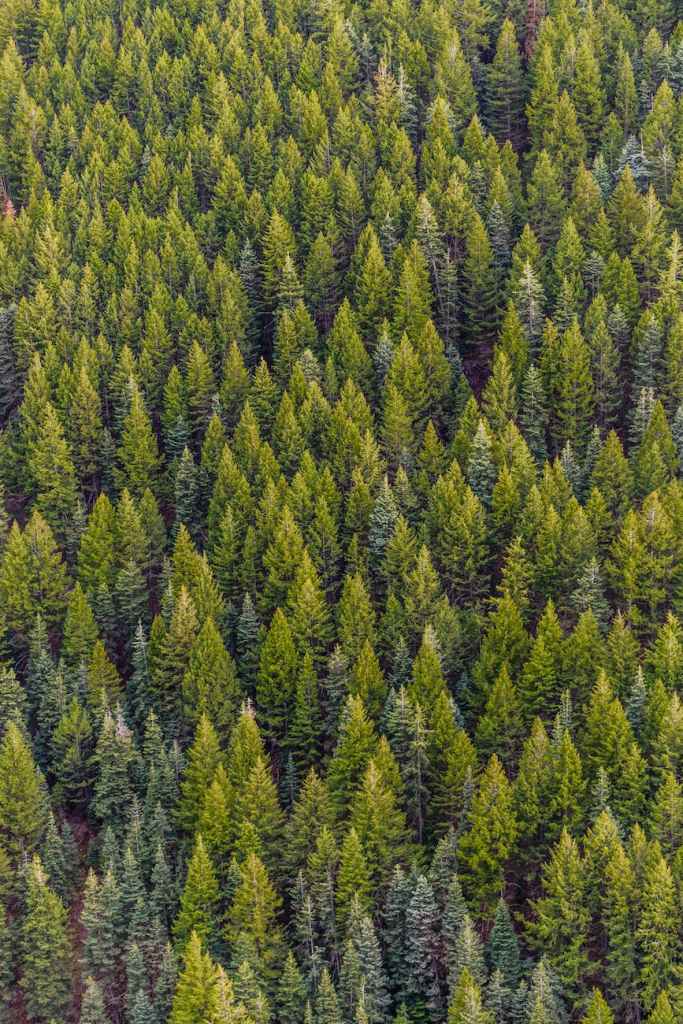
Massive reforestation efforts have been on every nation’s agenda to mitigate the worsening global climate change. But do you know it can be bad for our environment? Is planting trees enough to solve this problem?
Reforestation has gained and is still gaining popularity as a means to help our planet in carbon sequestration to mitigate climate change. Planting trees to replenish or restock our denuded forests is the most common practice. However, reforestation efforts without planning seem to have done more harm than good.
While it is true that reforestation projects were able to increase and bring back most of the tree cover of previously existing and degraded forests, it does not necessarily mean that the same forest is restored. By restoration, we attempt to bring back or return the forest to its previously forested state and with it, biodiversity.
However, the proliferation of many monoculture plantations of non-native species to provide seedlings for the reforestation efforts is more bane than boon. Think about the mahogany forest in Bohol or the bamboo forests in China or even the Christmas tree plantations in the US.
Here are the problems created by the introduction of non-native or exotic species of trees.
Loss of biodiversity
Native trees are well-adapted and excellent for providing a variety of ecosystems. The presence of exotic non-native species can disrupt the ecosystem and may cause the death of native species. Since native species have their own ecosystems and the exotics have none, this results in the destruction of natural habitats and the extinction of many organisms that are dependent on them.
Increasing number of invasive species.
Most of these exotic species are chosen for a variety of reasons including being fast growers and easy to propagate like the mahogany. However, since these are foreign, there is no biodiversity relationship that exists. Their rotting leaves also leak lethal chemicals that ensure no other plant species will grow near or around them.
Fewer pollinators
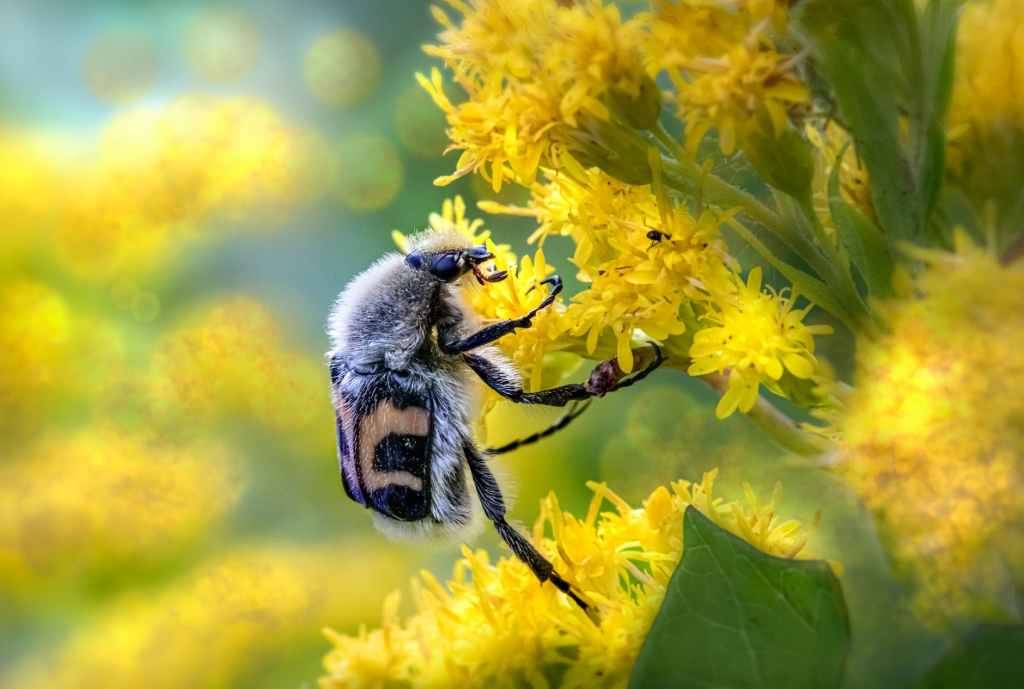
Monoculture plantations are considered dead biodiversity zones, meaning no birds, insects, or animals thrive in these environments.
Lowered availability of water resources
Exotic trees like acacias were selected to help reduce downstream flooding. However, these species of trees have been known to lower the water tables thus lowering the availability of water.
Less food production due to diminished agricultural areas
Conversion of farmlands to accommodate monoculture plantations mean lesser areas planted with food crops.
If we want effective reforestation, we have to plan ahead and carefully. According to the International Principles and Standards for the Practice of Ecological Restoration, here are the 10 things we must do.
1. Protect existing forests first
2. Work together
3. Aim to maximize the recovery of biodiversity to meet multiple goals
4. Select appropriate areas for restoration
5. Use natural regeneration whenever possible
6. Select species to maximize biodiversity
7. Use resilient plant material
8. Plan ahead for infrastructure capacity and seed supply
9. Learn by doing thru an adaptive management approach
10. Make it pay to ensure the economic sustainability of the project
An essential part of the success of the restoration process is the involvement of local communities and the use of indigenous species to support biodiversity. We must let our forests regenerate naturally.
Reforestation efforts must not only be concerned with the number of trees planted. It shouldn’t be our end goal. Planting a tree is just the start and we should start by planting a native tree now.

