
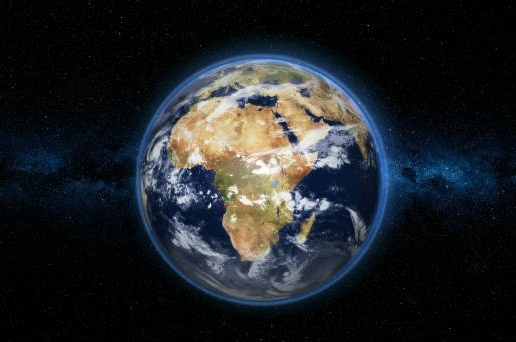
The earth is dying. Everywhere, you hear news of flooding, forest fires, scorching heat waves and droughts, and below-freezing temperatures. Disaster after disaster is happening worldwide and we, humans, are at fault.
For millions of years, the earth has provided all of our needs. Timber to build our houses, coal to keep us warm and to cook our food, water to drink, and fruits and animals from the forests, rivers, and seas as food. Our ancestors knew to take only what is needed and to replenish what they took.
But when civilization arose, the greed of mankind slowly depleted the earth of its natural resources. The symbiotic relationship was gone, no more give and take, just utter destruction. Now, the next generations are at risk of inheriting a world that is on the brink of destruction.
When the danger to the earth became apparent, many organizations around the world were formed to help preserve and conserve the dwindling resources and to slow down further damage. We, as individuals, can also contribute to help save our home planet.
Conservation
Conservation is the process of caring for the Earth’s natural resources. These resources include air, land or soil, water, minerals, animals, and plants. Ensuring that these resources are not depleted will benefit all living things now and in the future.
Although the need to conserve some resources often conflicts with other needs, there are many ways that development and conservation can coexist.
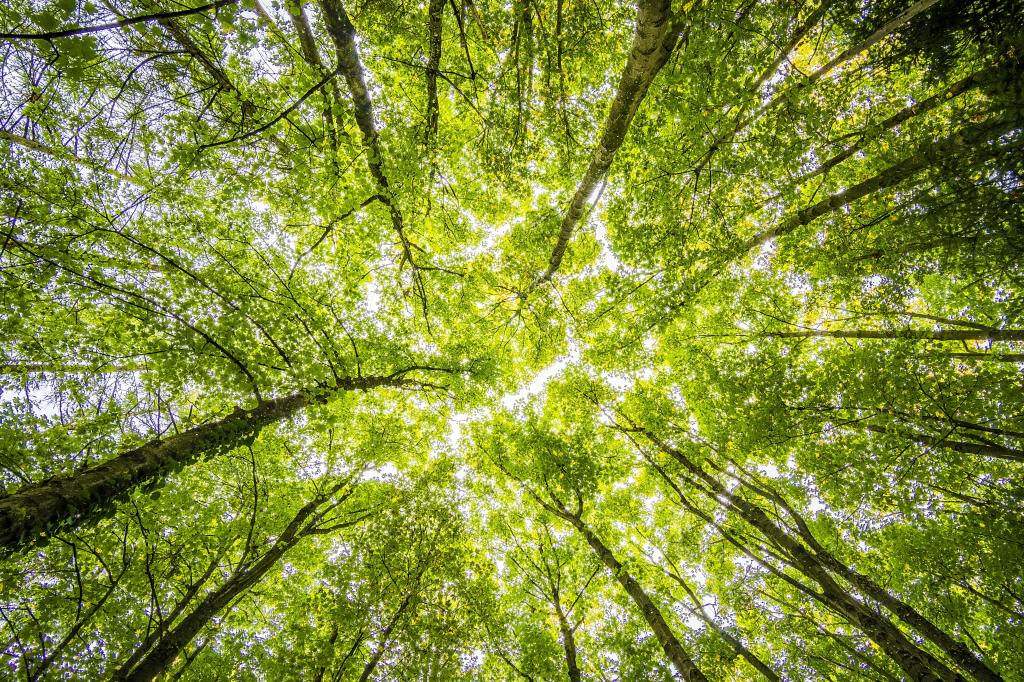
One of these is to protect our forests. Forests are home to many land species of animals and plants which contribute to our biodiversity. The thick foliage of trees protects the soil and enriches it through the litter of leaves. Forests store carbon that reduces global warming. They provide us with timber and many species of animals also thrive in these forests.
Sustainable forestry
We need to practice sustainable forestry to ensure that future generations will still have these resources. One way is low-impact logging where new trees are planted to replace the ones that are cut. Leaving old trees to die or decay naturally in the forest also helps in fertilizing the soil.
Recycling is another way to protect our forests. By recycling writing papers, paper boxes, and wrapping papers, we can reduce the need to cut down more trees. Another way is to find sustainable alternatives to timber like bamboo. Bamboo is a great non-timber forest substitute that is recognized globally. Not only is it used as food and building material, it also helps in reducing soil erosion and mitigating flooding.
Soil Conservation
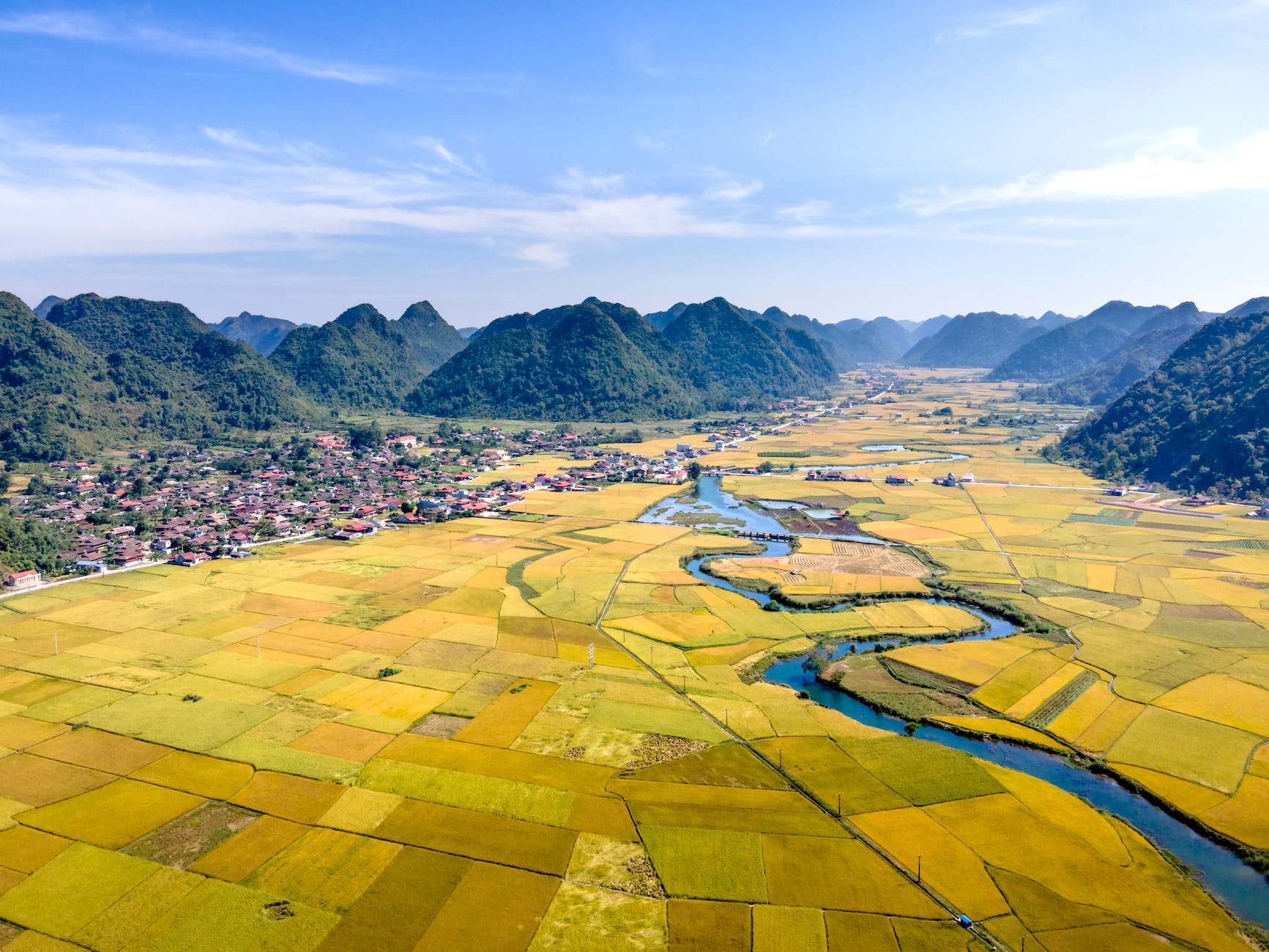
Food production needs high-quality soil to grow crops and feed livestock. However, poor farming practices such as monoculture deplete the soil’s nutrients. Slash and burn, a farming practice common in the Philippines where patches of forested area are cleared for planting increases soil erosion due to wind and water.
Soil conservation is vital to other conservation efforts for plants and animals. In fact, plant conservation is almost impossible if the soil is badly eroded or polluted. One method of soil conservation is contour strip cropping. It is the process of planting at least three different kinds of crops in strips across the slope or direction of the prevailing wind. This practice helps reduce soil erosion due to the wind.
Water conservation
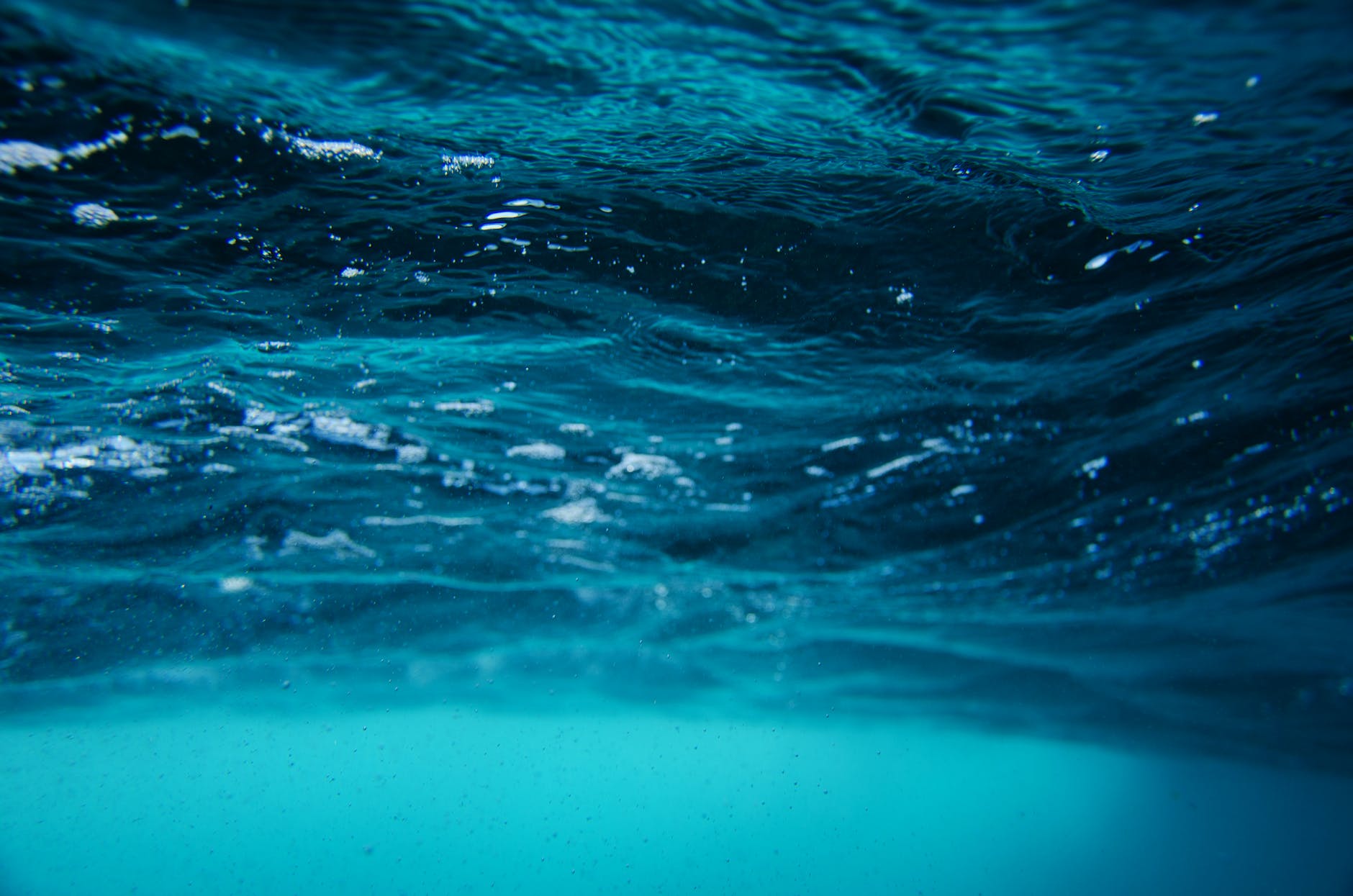
Water is a renewable resource and occupies almost 70% of the Earth’s surface. However, only 2.5% of this is freshwater and 70% of it is permanently frozen in ice caps in Antarctica and Greenland. The remaining available water is being utilized for drinking, bathing, and food production. This is the reason why water shortages are experienced in many parts of the world.
Water shortages occur when aquifers or underground water is depleted, there is drought or lack of rainfall and pollution of water sources. In third-world countries, many people die because of diseases caused by polluted water used for drinking, cooking, and washing.
Water pollution from the agricultural sector also harms the environment when runoff water that contains fertilizer and pesticides reaches the rivers, streams, and oceans. These chemicals affect the animals that live in and use these water sources.
Responsible farming and sustainable agriculture can help reduce the damage to our water resources. The discovery of crops that are drought-resistant and the use of natural fertilizers is one way.
Households can contribute to the conservation of water by fixing leaky faucets, recycling grey water, avoiding wastage, and harvesting rainwater.
Protecting Biodiversity
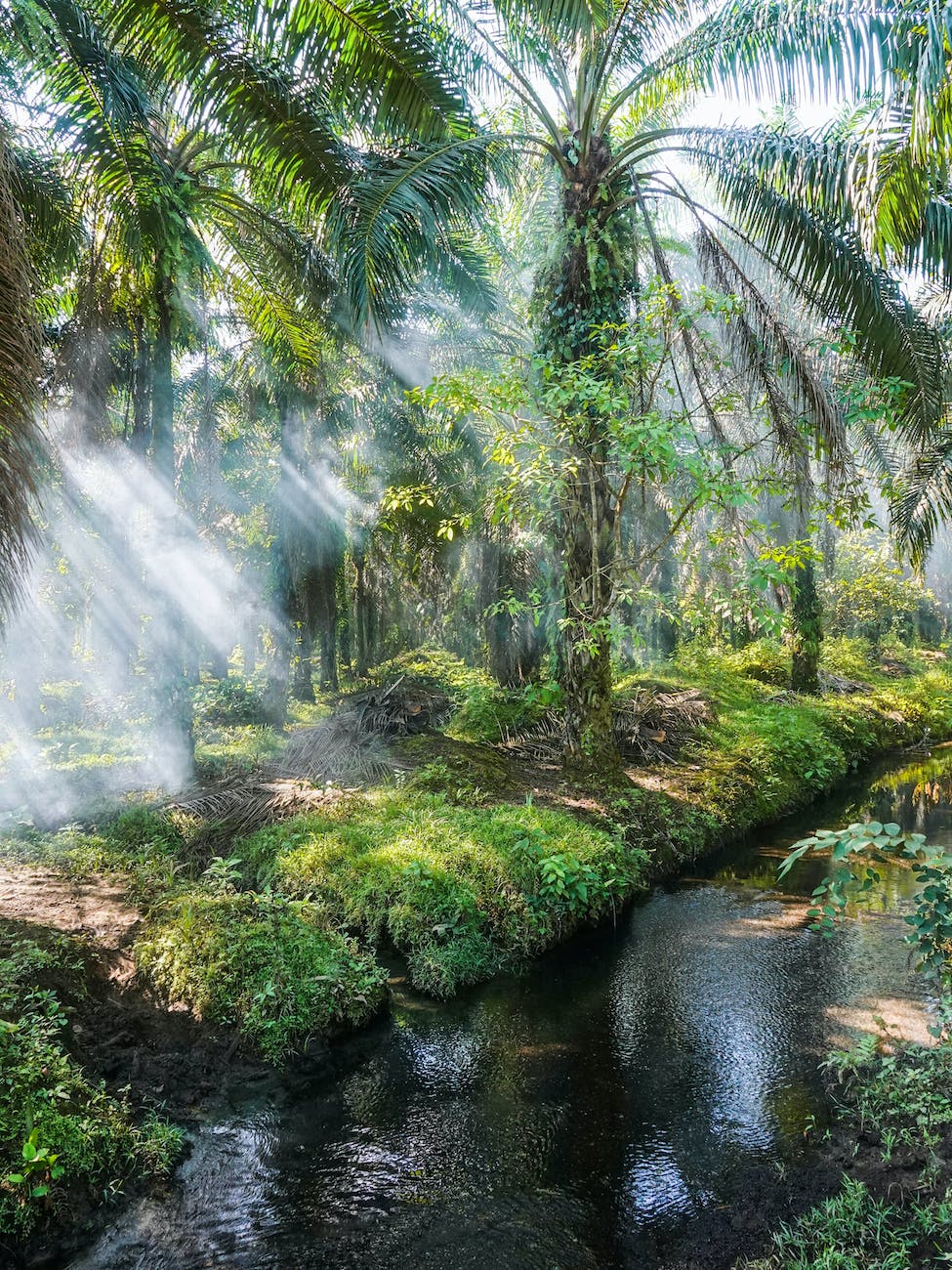
Biodiversity describes the variety and richness of life on earth. This mixture of living things provides us with enough materials for food, medicine, and building materials to provide a healthy landscape.
Many species of plants and animals have already become extinct and millions more are endangered. Habitat destruction, pollution, and global warming are the main contributors to the loss of biodiversity at an alarming rate.
We need to protect biodiversity for a variety of reasons. One reason is the need for different food sources. While we may try not to consume a certain endangered species, we may still be eating something that may depend on their species’ survival.
The presence of some predators helps in keeping the population of certain animals at manageable levels. Without these predators, the biodiversity of their habitat is in danger of being overwhelmed and depleted. These will result in animals venturing into human habitats to look for food.
Many countries have established measures to protect wildlife and their habitats. We can support these efforts by hunting responsibly and spreading awareness to others.

Protecting our home planet requires the cooperation of all. We need to do our share even in small ways to prevent further degradation of our planet. Let us support sustainable agriculture and the utilization of renewable sources of energy. Let’s save Mother Earth for the future of mankind.

